

Exploring the realm of Search Engine Marketing Campaigns and their tangible outcomes, this article delves into the impact and significance of SEM for businesses.
Delving deeper into the strategies, measurements, and case studies, we uncover the essence of successful SEM campaigns and how they propel companies towards online success.
Importance of Search Engine Marketing Campaigns
Search engine marketing campaigns play a crucial role in the success of businesses in the digital landscape. By optimizing online visibility and reach, SEM campaigns help companies connect with their target audience effectively.
Real-life Examples of Success
Several companies have reaped the benefits of successful SEM campaigns, leading to increased brand awareness, website traffic, and conversions. For example, online retailer ASOS saw a significant boost in sales after implementing targeted SEM strategies to reach fashion-conscious consumers searching for trendy clothing online.
In another instance, a local bakery in a competitive market utilized SEM to promote its specialty cakes and pastries. As a result, the bakery experienced a surge in online orders and foot traffic, showcasing the impact of SEM on a smaller scale business.
Impact on Online Visibility and Reach
- Improved Search Engine Rankings: SEM campaigns help businesses climb the search engine results pages, making it easier for potential customers to find them when searching for relevant s or phrases.
- Targeted Advertising: By utilizing specific s and demographics, companies can tailor their SEM campaigns to reach the right audience, increasing the chances of conversion.
- Enhanced Brand Recognition: Consistent visibility through SEM can enhance brand recognition and credibility, leading to increased trust among consumers.
- Measurable Results: One of the key benefits of SEM is the ability to track and measure campaign performance, allowing businesses to adjust their strategies for optimal results.
Strategies for Effective SEM Campaigns
In order to run successful search engine marketing (SEM) campaigns, it is crucial to implement effective strategies that can help maximize results and achieve business goals. Here are some key strategies to consider when planning and executing SEM campaigns:
Organic Search Strategies
- Search Engine Optimization (): Optimizing website content and structure to improve organic search rankings and visibility.
- Content Marketing: Creating high-quality, relevant content that resonates with target audiences and drives organic traffic.
- Research: Identifying and targeting specific s that have high search volume and relevance to the business.
- Link Building: Building a network of quality backlinks to improve domain authority and organic search rankings.
Paid Search Strategies
- Pay-Per-Click (PPC) Advertising: Running targeted ad campaigns on search engines to drive traffic and conversions.
- Ad Copy Optimization: Crafting compelling ad copy with relevant s and strong calls-to-action to improve click-through rates.
- Ad Extensions: Utilizing ad extensions like sitelinks, callouts, and structured snippets to provide additional information and improve ad visibility.
- Remarketing: Targeting users who have previously visited the website with tailored ads to encourage return visits and conversions.
By leveraging a combination of organic search strategies and paid search strategies, businesses can create a comprehensive SEM campaign that effectively reaches and engages target audiences across search engine platforms. It is important to continuously monitor and optimize SEM campaigns for better results, adjusting strategies based on performance data and insights to maximize ROI and achieve business objectives.
Measuring Success in SEM Campaigns
In the world of Search Engine Marketing (SEM), it is crucial to measure the success of your campaigns to ensure that you are getting the desired results. By tracking key metrics, analyzing data, and conducting A/B testing, you can optimize your SEM campaigns for maximum effectiveness.
Key Metrics for Measuring Success
- Click-Through Rate (CTR): This metric measures the percentage of people who click on your ad after seeing it. A high CTR indicates that your ad is relevant and engaging to your target audience.
- Conversion Rate: The conversion rate tells you how many people take a desired action after clicking on your ad, such as making a purchase or signing up for a newsletter.
- Return on Ad Spend (ROAS): ROAS calculates the revenue generated for every dollar spent on advertising. It helps determine the profitability of your SEM campaigns.
- Quality Score: Quality Score is a metric used by search engines to evaluate the relevance and quality of your ads. A high Quality Score can lead to lower costs and better ad placement.
Analyzing Data for Performance Tracking
When analyzing data from your SEM campaigns, it is essential to look beyond surface-level metrics and dig deeper to understand the performance of your ads. By examining trends, identifying patterns, and comparing data over time, you can make informed decisions to optimize your campaigns.
Importance of A/B Testing
A/B testing, also known as split testing, involves creating two versions of an ad or landing page and testing them against each other to determine which performs better. By testing different elements such as ad copy, images, and calls-to-action, you can identify what resonates most with your audience and improve the effectiveness of your SEM campaigns.
Case Studies of Successful SEM Campaigns
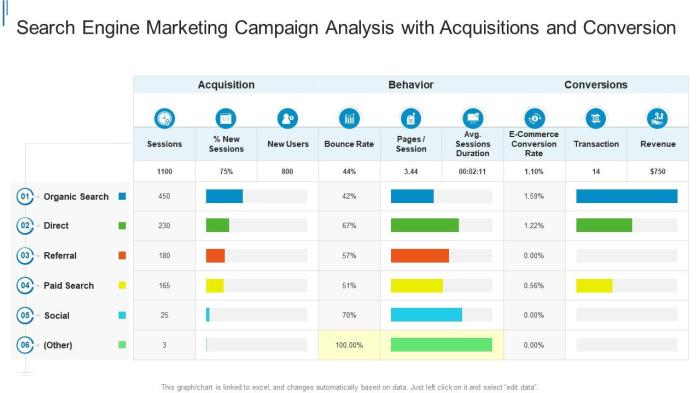
When looking at successful SEM campaigns, it's important to analyze specific case studies of companies that have achieved real results. By highlighting key takeaways from these campaigns and discussing the challenges faced and how they were overcome, we can gain valuable insights into what makes a successful SEM campaign.
Company A: Increasing Website Traffic
Company A was able to significantly increase their website traffic through a targeted SEM campaign. By focusing on relevant s and optimizing their ad copy, they were able to attract more visitors to their site. Additionally, they analyzed user behavior to make necessary adjustments and improve conversion rates.
Company B: Boosting Sales Revenue
Company B saw a substantial increase in sales revenue after implementing an SEM campaign. They strategically targeted their ads to reach their ideal customer base and utilized A/B testing to refine their approach. By tracking ROI and adjusting their campaign accordingly, they were able to achieve impressive results.
Company C: Enhancing Brand Awareness
Company C successfully raised brand awareness through their SEM campaign. By creating compelling ad creatives and utilizing retargeting strategies, they were able to stay top of mind for their target audience. Despite facing competition and market saturation, they were able to carve out a niche and establish themselves as a prominent brand.
Last Word
In conclusion, Real Results from Search Engine Marketing Campaigns shed light on the transformative potential of SEM strategies, offering businesses a pathway to enhanced visibility and growth in the digital landscape.
Expert Answers
How do SEM campaigns benefit businesses?
SEM campaigns enhance online visibility, drive targeted traffic, and increase conversion rates, ultimately boosting a company's bottom line.
What are some key metrics used to measure SEM campaign success?
Common metrics include click-through rates (CTR), conversion rates, cost per click (CPC), and return on investment (ROI).
Can you explain the difference between organic and paid search strategies?
Organic search relies on optimizing content for search engines to rank naturally, while paid search involves paying for ads to appear at the top of search results.

