

Delving into the realm of vetting a Search Engine Optimization Agency, this guide aims to provide valuable insights and expert tips on making informed decisions. With a focus on key factors and industry expertise, readers are in for a treat of knowledge that can shape their strategies for the better.
In the following paragraphs, we will explore the critical aspects to consider when evaluating an agency, shedding light on experience, client portfolios, communication practices, and ethical standards.
Factors to Consider
When vetting an agency, there are several critical factors to consider that can greatly impact the success of your strategies. Each factor plays a significant role in the decision-making process and can ultimately determine the effectiveness of the partnership with the agency.
Experience and Reputation
- Look for an agency with a proven track record of success in .
- Consider the agency's reputation in the industry and read client testimonials.
- Experience and reputation can indicate the agency's level of expertise and reliability.
Transparency and Communication
- Ensure the agency is transparent about their strategies and communicates effectively.
- Regular updates and clear communication are essential for a successful partnership.
- Transparency and communication build trust and ensure alignment on goals and expectations.
Customized Strategies
- Avoid agencies that offer one-size-fits-all solutions.
- Look for agencies that tailor their strategies to your specific business needs and goals.
- Customized strategies are more effective in achieving targeted results for your business.
Technical Expertise
- Verify the agency's technical knowledge and understanding of best practices.
- Technical expertise is crucial for optimizing website performance and rankings.
- An agency with strong technical skills can implement advanced techniques for better results.
Proven Results and Case Studies
- Ask the agency for case studies or examples of successful campaigns they have managed.
- Evaluate the agency's ability to deliver results based on past performance.
- Proven results and case studies demonstrate the agency's capabilities and effectiveness in driving success.
Experience and Expertise
When considering a Search Engine Optimization () agency to work with, one of the key factors to evaluate is the agency's experience and expertise in the field. This plays a crucial role in the success of your campaigns and overall digital marketing strategy.Working with a specialized agency versus a general digital marketing agency can have distinct advantages.
A specialized agency typically has a deep understanding of the latest trends, algorithms, and strategies specific to . This focused expertise allows them to develop tailored strategies that are more likely to yield positive results in improving your website's visibility and ranking on search engines.Furthermore, expertise in specific industries can greatly influence the success of campaigns.
An agency that has experience working within your industry will have a better understanding of your target audience, competitive landscape, and industry-specific s. This knowledge enables them to create targeted and effective strategies that resonate with your target market and drive relevant traffic to your website.
Benefits of Experience and Expertise
- Specialized agencies have in-depth knowledge of best practices and industry trends, leading to more effective strategies.
- Industry-specific expertise allows for targeted and tailored campaigns that resonate with your target audience.
- Experience in specific industries results in a better understanding of competitive landscapes and key s, optimizing campaign performance.
Client Portfolio and Case Studies
When vetting a Search Engine Optimization () agency, reviewing their client portfolio and case studies is crucial to understanding their capabilities and past performance. This information can give you insights into the types of clients the agency has worked with, the results they have achieved, and the strategies they have implemented.
Key Metrics in Case Studies
- Organic Traffic Growth: Look for case studies that demonstrate significant increases in organic traffic to the client's website. This indicates the agency's ability to improve search engine rankings and drive more targeted traffic.
- Ranking Improvements: Check for examples where the agency has successfully improved the client's rankings, leading to higher visibility in search results.
- Conversion Rate Optimization: Evaluate case studies that highlight improvements in conversion rates, such as increased leads, sales, or other desired actions on the website. This shows the agency's focus on driving results that matter.
Indication of Success
By reviewing an agency's past successes through client portfolio and case studies, you can gauge their ability to deliver results for your business. A strong track record of improving organic traffic, rankings, and conversions indicates that the agency has the expertise and experience to help your website succeed in the competitive online landscape.
Communication and Transparency
Effective communication and transparency are key elements in maintaining a successful relationship between an agency and its clients. Clear communication helps in setting expectations, understanding project timelines, and addressing any concerns that may arise during the campaign. Transparency, on the other hand, builds trust and credibility, showcasing the agency's commitment to delivering results.
Assessing Transparency
- Review the agency's reporting processes: A transparent agency will provide regular updates on the progress of your campaign, detailing the strategies implemented and the results achieved.
- Ask about their communication channels: A reliable agency will have clear channels of communication in place, ensuring that you can reach out to them whenever needed.
- Request access to tools and data: An open and transparent agency will be willing to grant you access to the tools and data they use to track and measure the success of your campaign.
- Seek client references: Talking to past clients can give you insights into the agency's transparency in their processes and communication.
Impact of Regular Updates
Regular updates and reporting play a crucial role in the success of campaigns. By receiving timely updates on the progress of your campaign, you can track the effectiveness of the strategies implemented, identify areas for improvement, and make informed decisions moving forward.
Additionally, regular communication helps in addressing any issues promptly, ensuring that your campaign stays on track towards achieving your goals.
Ethical Practices

In the world of Search Engine Optimization (), ethical practices play a crucial role in ensuring long-term success for a website. It is essential to work with an agency that follows ethical guidelines and avoids black-hat techniques that can harm your online reputation and rankings.
Determining Ethical Guidelines
When vetting an agency, there are several ways to determine if they follow ethical guidelines in their strategies. Look for transparency in their practices, clear communication about the techniques they use, and a focus on providing value to users rather than manipulating search engine algorithms.
- Ask the agency about their approach to link building. Ethical agencies will focus on obtaining high-quality, relevant links from reputable websites, rather than engaging in paid link schemes or link farms.
- Check if the agency adheres to Google's Webmaster Guidelines. Agencies that follow these guidelines are more likely to use ethical practices in their strategies.
- Discuss the use of stuffing and content spinning. Ethical agencies will prioritize creating high-quality, original content that provides value to users, rather than trying to manipulate search engine rankings through deceptive tactics.
Examples of Unethical Practices
During the vetting process, it is crucial to watch out for certain unethical practices that some agencies may engage in:
stuffing: Overloading content with s in an unnatural way that provides little or no value to the reader.
Cloaking: Showing different content to search engines than what is displayed to users, deceiving both users and search engine algorithms.
Private Blog Networks (PBNs): Creating a network of low-quality websites solely for the purpose of linking back to a main site, which can lead to penalties from search engines.
Conclusion
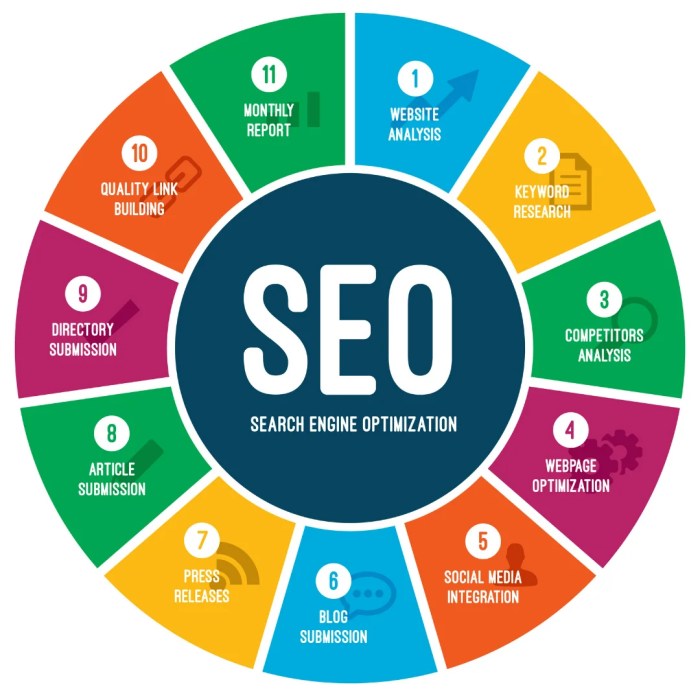
As we conclude our discussion on How to Vet a Search Engine Optimization Agency, it becomes clear that thorough evaluation is the key to unlocking successful partnerships. By prioritizing factors like transparency, expertise, and ethical standards, businesses can pave the way for impactful digital marketing strategies.
Answers to Common Questions
How important is an agency's experience in the field?
Experience plays a crucial role in understanding the ever-evolving landscape of , allowing agencies to navigate challenges effectively and deliver optimal results.
What should I look for in an agency's client portfolio?
Key metrics to consider include client success stories, industry relevance, and diversity of campaigns, showcasing the agency's capabilities and adaptability.
Why is transparency essential in an agency-client relationship?
Transparency fosters trust and open communication, enabling clients to track progress, provide feedback, and make informed decisions throughout the partnership.
How can I identify ethical practices during the vetting process?
Look for agencies that adhere to industry guidelines, prioritize white-hat techniques, and steer clear of manipulative tactics that could harm your website's reputation.

